

Understanding High Blood Pressure and Its Effect on the Heart
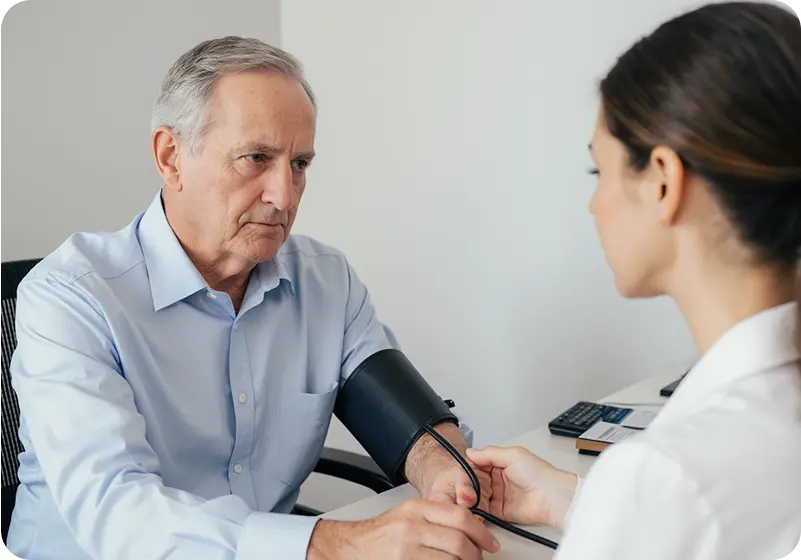
High blood pressure, or hypertension, is often called the "silent killer." This is because it usually doesn’t present any symptoms until significant damage has already been done to the heart and blood vessels. Yet, despite being one of the most common health issues worldwide, many people are unaware of how it affects their body — especially their heart. Understanding the connection between high blood pressure and heart health is crucial for preventing severe health complications like heart disease, stroke, and kidney failure.
What Is High Blood Pressure?
Blood pressure is the force of blood against the walls of your arteries as your heart pumps it around your body. It’s measured using two numbers: systolic pressure (the higher number), which is the pressure when your heart beats and pumps blood, and diastolic pressure (the lower number), which is the pressure when your heart is at rest between beats.
A normal blood pressure reading is usually around 120/80 mmHg. When blood pressure consistently exceeds 130/80 mmHg, it is classified as high blood pressure. If left untreated, this condition puts immense strain on your cardiovascular system, leading to long-term damage.
How Does High Blood Pressure Affect the Heart?
The heart is a muscular organ that works tirelessly to pump blood throughout your body. When blood pressure is high, it forces your heart to work harder to move blood, which can cause several adverse effects over time:
Thickening of the Heart Muscle (Left Ventricular Hypertrophy)
One of the most significant effects of chronic high blood pressure is the thickening of the heart's left ventricle, the chamber that pumps oxygenated blood to the rest of the body. As the heart muscle thickens, it becomes less efficient at pumping blood, which can lead to heart failure over time.
Increased Risk of Coronary Artery Disease
High blood pressure contributes to the narrowing and hardening of the arteries, a condition called atherosclerosis. This occurs when plaque, made up of fat, cholesterol, and other substances, builds up inside the arteries, reducing blood flow. If this plaque ruptures, it can form a blood clot, blocking the artery entirely and leading to a heart attack.
Heart Failure
Over time, the strain caused by high blood pressure can lead to heart failure. This doesn’t mean that the heart stops working, but rather that it becomes less efficient at pumping blood. The heart struggles to keep up with the body’s demands, leading to symptoms like fatigue, shortness of breath, and swelling in the legs.
Aneurysms
The increased pressure can weaken blood vessels, leading to aneurysms — abnormal bulging of blood vessels. A ruptured aneurysm can be life-threatening, particularly if it occurs in the heart or brain.
Arrhythmias (Irregular Heartbeats)
High blood pressure can also disrupt the heart’s electrical system, leading to arrhythmias, or irregular heartbeats. This condition can increase the risk of blood clots, stroke, and heart failure.
What Causes High Blood Pressure?
While the exact cause of high blood pressure is often unknown, several risk factors can contribute to its development:
Genetics: A family history of hypertension can increase your risk.
Age: As you get older, your arteries can become less flexible, contributing to higher blood pressure.
Unhealthy Diet: A diet high in salt, processed foods, and unhealthy fats can raise blood pressure.
Physical Inactivity: Lack of exercise can contribute to weight gain and high blood pressure.
Obesity: Excess weight puts additional strain on the heart and increases blood pressure.
Stress: Chronic stress can cause spikes in blood pressure over time.
Excessive Alcohol and Smoking: Both can damage the heart and blood vessels, leading to high blood pressure.
Sleep Apnea: Untreated sleep apnea can raise blood pressure by disrupting sleep patterns and increasing heart strain.
The Impact of High Blood Pressure on Other Organs
While the heart takes the brunt of the damage, high blood pressure doesn’t just affect your cardiovascular system. It can have widespread consequences on other vital organs as well:
Kidneys: High blood pressure can damage the blood vessels in the kidneys, impairing their ability to filter waste. This increases the risk of kidney disease and even kidney failure.
Eyes: The blood vessels in the eyes can be damaged by high blood pressure, leading to vision problems, including blindness.
Brain: High blood pressure increases the risk of stroke by causing blood clots or ruptured blood vessels in the brain.
Arteries: The added pressure on the arteries can lead to plaque buildup and cause narrowing or hardening, affecting circulation throughout the body.
How to Manage High Blood Pressure and Protect Your Heart
The good news is that high blood pressure is manageable, and the sooner you take action, the less likely you are to experience long-term damage. Here are some steps you can take to manage your blood pressure and protect your heart:
Adopt a Heart-Healthy Diet
A diet rich in fruits, vegetables, whole grains, lean proteins, and healthy fats is essential. Reducing your sodium intake and avoiding processed foods can help keep your blood pressure in check. The DASH (Dietary Approaches to Stop Hypertension) diet is specifically designed to lower blood pressure and improve heart health.
Exercise Regularly
Regular physical activity, such as brisk walking, cycling, or swimming, helps lower blood pressure, improve circulation, and reduce heart strain. Aim for at least 150 minutes of moderate exercise per week.
Lose Weight
If you're overweight, losing just 5–10% of your body weight can make a significant difference in your blood pressure and overall heart health.
Limit Alcohol and Quit Smoking
Excessive alcohol consumption can raise blood pressure, while smoking damages the blood vessels and heart. Reducing or eliminating these habits will have a positive impact on your heart health.
Monitor Your Blood Pressure
Regular check-ups with your healthcare provider and home blood pressure monitoring can help you stay on top of your numbers. If your blood pressure is high, your doctor may recommend lifestyle changes and medication.
Manage Stress
Chronic stress contributes to high blood pressure. Practice relaxation techniques like deep breathing, yoga, or meditation to help manage stress and support heart health.
Take Medication as Prescribed
If lifestyle changes aren’t enough to control your blood pressure, your doctor may prescribe medication. It’s crucial to take these medications as directed to prevent complications.
Final Thoughts: Protecting Your Heart Starts with Blood Pressure Control
High blood pressure is a major contributor to heart disease, stroke, and kidney failure. The good news is that by understanding the risks and taking steps to manage your blood pressure, you can protect your heart and overall health. Regular monitoring, a healthy diet, exercise, and stress management are key components in keeping your blood pressure in check. By making small but meaningful changes to your lifestyle, you can significantly reduce your risk of heart disease and lead a healthier, longer life.