

Top 5 Heart-Healthy Foods You Should Include in Your Diet
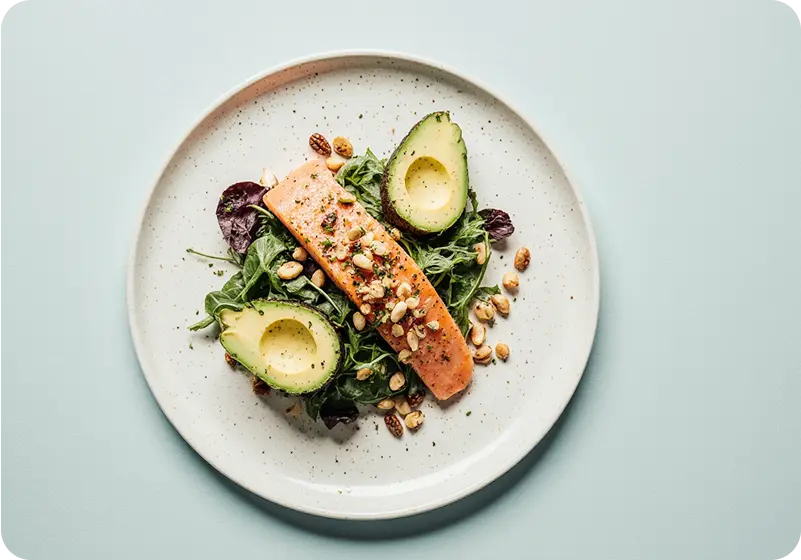
When it comes to keeping your heart healthy, what you eat plays a pivotal role. A heart-healthy diet can reduce your risk of heart disease, improve circulation, and help you maintain healthy cholesterol and blood pressure levels. But with so many dietary options out there, which foods should you be prioritizing? Here are five of the best heart-healthy foods you should include in your daily diet for a stronger, healthier heart.
1. Fatty Fish: The Omega-3 Powerhouse
Fatty fish, like salmon, mackerel, sardines, and trout, are packed with omega-3 fatty acids, which are essential for heart health. These healthy fats help reduce inflammation, lower triglyceride levels, and can even decrease the risk of arrhythmias (irregular heartbeats). Omega-3s have also been shown to reduce blood pressure and prevent the buildup of plaque in the arteries.
Incorporating fatty fish into your diet just twice a week can help lower your risk of heart disease. Aim for wild-caught fish whenever possible, as it tends to have higher levels of omega-3s. Try adding grilled salmon to a salad, or enjoy a hearty mackerel sandwich for lunch.
Heart Tip: If you don’t eat fish, consider omega-3-rich alternatives like flaxseeds, chia seeds, and walnuts, or take an omega-3 supplement.
2. Leafy Greens: Nature's Heart Protectors
Leafy greens, including spinach, kale, swiss chard, and arugula, are loaded with essential vitamins and minerals that promote heart health. They are high in potassium, which helps balance sodium levels in the body and keeps blood pressure in check. Leafy greens are also a great source of folate, which plays a role in reducing levels of homocysteine, an amino acid that can damage blood vessels when present in high levels.
Rich in antioxidants, fiber, and low in calories, leafy greens help reduce inflammation and improve overall cardiovascular function. Add a handful of spinach to your morning smoothie, or enjoy a nutrient-dense kale salad with your lunch.
Heart Tip: The more colorful your greens, the better. Dark, leafy greens are rich in nutrients that can help lower your cholesterol and support healthy arteries.
3. Berries: Antioxidant-Rich Superfoods
Berries like blueberries, strawberries, raspberries, and blackberries are not only delicious but also packed with antioxidants called flavonoids. These compounds help reduce oxidative stress in the body, which can damage the blood vessels and lead to heart disease. Antioxidants also reduce inflammation and help lower blood pressure, two major factors in maintaining heart health.
Berries are also rich in fiber and vitamin C, both of which are crucial for lowering cholesterol and keeping your arteries healthy. Studies have shown that regularly eating berries can improve blood flow, reduce blood pressure, and even decrease the risk of heart attacks.
Heart Tip: Enjoy a bowl of mixed berries as a snack, toss them into your yogurt, or add them to your morning oatmeal for a heart-boosting start to your day.
4. Nuts and Seeds: Tiny Yet Mighty Heart Boosters
Nuts and seeds — including almonds, walnuts, chia seeds, and flaxseeds — are heart-healthy powerhouses. Rich in healthy fats, fiber, and plant-based protein, they help regulate cholesterol levels and support healthy arteries. Walnuts, in particular, are high in omega-3s, while almonds are packed with magnesium, which helps maintain normal blood pressure.
The antioxidants in nuts and seeds also play a crucial role in reducing inflammation and lowering the risk of heart disease. Studies have shown that people who regularly consume nuts tend to have lower cholesterol levels, better blood sugar control, and reduced risks of heart disease.
Heart Tip: Keep a small handful of mixed nuts in your bag for a quick snack, or sprinkle some flaxseeds on your salad to boost your heart-healthy fats.
5. Avocados: Creamy, Delicious, and Heart-Healthy
Avocados are a delicious source of monounsaturated fats, which are considered the healthiest type of fat. These healthy fats help reduce LDL (bad) cholesterol while increasing HDL (good) cholesterol levels. Avocados are also high in potassium, which helps regulate blood pressure, and they’re rich in fiber, which contributes to healthy digestion and weight management.
Avocados are also packed with antioxidants, including lutein and beta-carotene, which protect your eyes and arteries from damage caused by oxidative stress. Their creamy texture makes them a perfect addition to salads, sandwiches, and even smoothies.
Heart Tip: Add avocado to your morning toast, blend it into your smoothie, or simply enjoy half an avocado with a sprinkle of salt and pepper for a satisfying, heart-healthy snack.
Final Thoughts: Nourish Your Heart, Nourish Your Life
Eating for heart health isn’t about following a strict, restrictive diet — it’s about choosing nutrient-dense foods that nourish your body and support your cardiovascular system. Incorporating fatty fish, leafy greens, berries, nuts, seeds, and avocados into your meals can provide your heart with the nutrients it needs to thrive.
These foods not only help maintain healthy cholesterol and blood pressure levels but also reduce inflammation, lower oxidative stress, and protect against the development of heart disease. By making small changes to your diet, you’re taking powerful steps to improve your heart health and, ultimately, your overall well-being.
So next time you’re planning a meal, think heart-healthy — your heart will thank you for it!